Removing a dead, hazardous, or unwanted tree can make your property safer and create new opportunities for landscaping. However, once the tree has been cut down, one important question remains: What should you do with the tree stump? Leaving a stump in your yard may seem harmless, but depending on its location and condition, it can interfere with mowing, attract wood-decaying organisms, and limit how you use your outdoor space.
For homeowners in Portland, Oregon, several options are available, including professional stump grinding, complete stump removal, natural decomposition, and incorporating the stump into an existing landscape. Choosing the right solution depends on the size of the stump, surrounding property conditions, and your plans for the area.
At PDX Tree Service, we provide professional stump grinding and tree removal services in Portland, OR, helping residential and commercial property owners eliminate unwanted stumps and prepare their landscapes for future improvements. Our experienced team evaluates each project to determine an appropriate approach while considering underground utilities, existing landscaping, and accessibility.
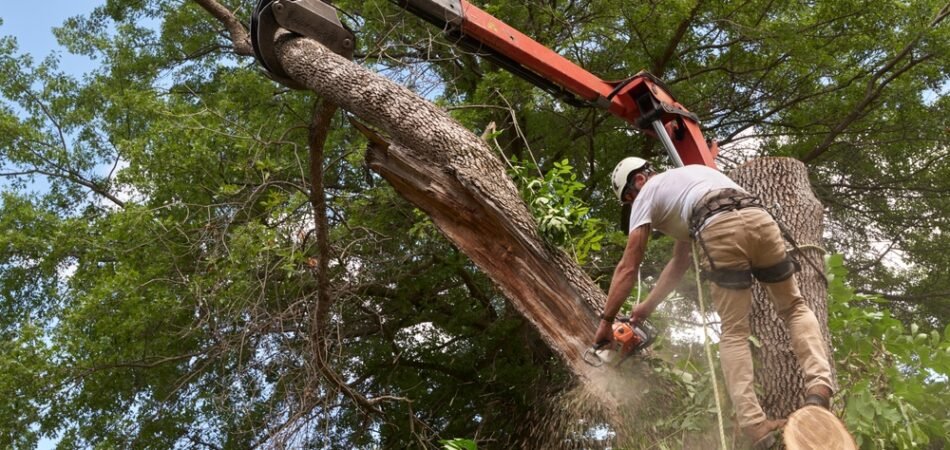
After cutting down a tree, you don’t necessarily have to remove its stump immediately. However, leaving it in place can create practical challenges, especially when the stump is located near a driveway, sidewalk, lawn, or frequently used outdoor area.
A stump may remain structurally solid for years before gradually decomposing. During that time, it can interfere with landscaping and become difficult to work around.
Some common reasons Portland homeowners choose professional tree stump removal include:
Not every stump needs immediate removal. A stump located in an isolated wooded area may be left to decay if it doesn’t interfere with property use or create a safety concern.
However, for landscaped residential yards, stump grinding in Portland, Oregon, is often one of the most practical options.
Stump grinding is a common method of eliminating unwanted tree stumps without excavating the entire root system.
A professional stump grinder uses a rotating cutting wheel to break the stump into smaller wood chips, reducing the remaining wood below the surrounding ground surface.
At PDX Tree Service, our professional stump grinding services in Portland, OR, help homeowners eliminate visible stumps and improve the usability of their yards.
How Does Stump Grinding Work?
The process generally involves evaluating the stump, identifying underground utilities and other potential obstacles, and using specialized equipment to grind the remaining wood to an appropriate depth.
The required grinding depth depends on what you plan to do with the area afterward.
For example, preparing a lawn may require a different depth than a landscaping project involving deeper excavation.
Benefits of Stump Grinding
Professional stump grinding offers several advantages:
For many residential properties, tree stump grinding in Portland, Oregon, offers a practical balance between cost, efficiency, and minimal landscape disturbance.
Another option is removing the entire stump and major root ball through excavation.
Unlike stump grinding, which leaves much of the underground root system in place, complete stump removal involves digging out the stump and substantial roots.
This approach typically requires more labor and equipment.
When Is Complete Stump Removal Necessary?
Complete removal may be appropriate when:
Because excavation can disturb nearby landscaping, irrigation lines, and underground utilities, the process requires careful planning.
For homeowners considering stump removal in Portland, OR, PDX Tree Service can help evaluate the existing stump and discuss whether grinding will satisfy the project’s goals or whether more extensive removal should be considered.
Some homeowners decide to leave the stump in place and allow it to break down over time.
Natural decomposition occurs as fungi, microorganisms, and other wood-decaying organisms gradually break down the remaining material.
However, this process can take several years, depending on the tree species, stump size, moisture conditions, and environmental factors.
Large stumps from mature Douglas firs and other sizable trees may remain visible for an extended period.
Is Natural Decomposition a Good Option?
Allowing a stump to decay may be reasonable when it is located away from buildings, play areas, driveways, and frequently used landscaping.
However, natural decomposition has several disadvantages:
For homeowners wanting to restore a lawn or complete landscaping improvements, professional stump grinding in Portland is typically faster than waiting for the stump to decay.
Not every tree stump has to be removed.
Some property owners choose to incorporate old stumps into naturalized gardens or decorative landscape designs.
Depending on its size, location, and stability, a stump may be used as a base for a planter or as an ornamental feature in a wooded landscape.
This approach may work well for properties with larger natural areas where the stump does not interfere with pedestrian access or routine maintenance.
However, homeowners should consider the likelihood of continued decomposition, insect activity, and potential instability.
Avoid using a deteriorating stump as a structural support for features that people may sit or stand on.
A tree stump may seem like a minor inconvenience, but its location can make it a significant obstacle.
Lawn Maintenance Problems
Stumps can make mowing and trimming more difficult, particularly when surrounded by grass or other landscaping.
Low stumps may also be difficult to see, increasing the potential for damage to lawn equipment.
Tripping Hazards
A stump located near a walkway, outdoor recreation area, or frequently used portion of your yard can become a tripping hazard.
This is especially relevant when the stump becomes partially concealed by grass, leaves, or vegetation.
Insects and Wood Decay
As wood decomposes, it may provide habitat for carpenter ants, wood-boring beetles, fungi, and other organisms associated with decaying wood.
This doesn’t mean every tree stump will cause a pest infestation, but removing unwanted decaying wood may help eliminate a potential habitat.
Unwanted Tree Sprouts
Certain tree species can produce new shoots from a remaining stump or root system after the main trunk is removed.
Grinding the stump can reduce some regrowth, but species that produce root suckers may continue sprouting from living roots.
Additional management may be necessary for persistent regrowth.
Professional stump grinding produces a mixture of wood chips and soil.
After the stump has been ground, homeowners have several options for handling the remaining material.
Use Suitable Chips as Mulch
Wood chips may be useful as mulch around trees, shrubs, and garden beds when the material is appropriate for the landscape.
Mulch can help reduce weeds, moderate soil temperature, and retain moisture.
Avoid piling wood chips directly against tree trunks or plant stems.
Remove Excess Grinding Debris
When preparing an area for grass or new planting, removing excess wood chips may be beneficial.
Large concentrations of fresh wood debris can make it difficult to establish a uniform lawn or suitable planting soil.
Backfill With Soil
After removing excess grinding material, homeowners can add appropriate topsoil to fill the depression.
The area may need additional soil later as remaining roots decompose and the ground settles.
At PDX Tree Service, we can discuss stump grinding depth and debris-handling preferences before beginning your Portland stump grinding project.
Yes. In many cases, homeowners can establish new grass after a stump has been professionally ground below grade.
However, the area needs proper preparation.
A typical process includes removing excessive wood chips, adding appropriate soil, leveling the ground, and planting grass seed or installing sod.
Portland’s cooler, wetter seasons can be favorable for establishing many lawn grasses, although soil moisture and planting conditions still matter.
Homeowners should also expect some settling as remaining underground roots decompose.
Professional stump grinding services in Portland, OR, can help prepare the area for a smoother landscaping transition.
Planting a new tree in exactly the same location as a removed tree may be difficult.
Even after the visible stump is ground away, substantial roots can remain underground.
These roots may interfere with digging and limit the available soil volume for a replacement tree.
For many properties, planting the replacement tree several feet away from the original stump is preferable.
If you must plant in the same location, additional root removal, soil preparation, and site evaluation may be necessary.
When a Portland tree removal permit includes replacement requirements, the new tree must also comply with applicable city planting standards.
Before replanting, consider the mature size of the replacement tree, nearby structures, underground utilities, and available growing space.
The cost of professional stump grinding in Portland, OR, depends on several factors.
Stump Size
Larger stumps generally require more equipment time and labor than smaller stumps.
Trunk diameter is often an important consideration when estimating a grinding project.
Number of Stumps
Removing multiple stumps may involve additional work, although grouping them into one project can sometimes be more efficient than scheduling separate visits.
Location and Accessibility
Stumps located behind fences, on sloping terrain, or near landscaping may require additional preparation.
Limited equipment access can affect both the approach and price.
Grinding Depth
The depth required for lawn preparation may differ from the depth needed for more extensive landscaping.
Deeper grinding can increase the amount of work involved.
Debris Removal and Cleanup
Homeowners should ask whether removing wood chips, adding soil, or completing other site preparation is included in the estimate.
At PDX Tree Service, we provide project-specific stump grinding estimates in Portland, Oregon, based on the size, location, and requirements of the job.
Permit requirements depend on the tree’s location and the work being performed.
The City of Portland regulates street trees, certain private-property trees, and protected trees under Title 11.
For many private-property trees measuring 12 inches or more in diameter at breast height, removal requires a permit. Street tree removal generally requires authorization regardless of size, subject to limited exceptions.
When a permitted street tree is removed, Portland’s removal requirements generally include grinding the stump below grade and clearing debris within the permit’s validity period.
However, stump grinding on private property is not automatically subject to the same requirements as removing a regulated living tree. Work near protected roots, public rights-of-way, or regulated areas may involve additional considerations.
Before completing work on a street tree stump or a regulated site, confirm applicable requirements with Portland Urban Forestry.
At PDX Tree Service, we’re a family-owned and operated tree care company serving homeowners, businesses, and property managers throughout Portland and surrounding communities.
With over 10 years of experience and ISA Certified Arborist expertise, we provide professional tree care services tailored to local property conditions.
Our services include:
We understand that removing a tree is only part of restoring your landscape.
Whether you’re dealing with a large Douglas fir stump, an old maple stump, or several unwanted stumps scattered across your yard, our team evaluates your project and recommends an appropriate grinding approach.
1. Is It Better to Grind a Tree Stump or Remove It Completely?
For many homeowners, stump grinding in Portland, Oregon, is the more practical option because it removes the visible stump while minimizing disruption to the surrounding landscape. Complete removal involves excavating the root ball and may be necessary for certain construction or landscaping projects. The right method depends on your goals, the stump’s location, and what you plan to do with the area afterward.
2. How Long Does It Take for a Tree Stump to Rot Naturally?
A tree stump can take several years to decompose, depending on its size, species, and environmental conditions. Large stumps from mature conifers may remain for an extended period. Homeowners wanting to use the space sooner may prefer professional tree stump grinding in Portland, OR, rather than waiting for natural decomposition.
3. Will Tree Roots Keep Growing After Stump Grinding?
Most roots gradually die and decompose after the main tree is removed. However, some species can produce new shoots from remaining living roots. Grinding the stump does not physically remove every underground root, so additional management may be necessary in certain cases. PDX Tree Service can discuss what to expect based on the tree species and site conditions.
4. Can I Plant Grass or Landscaping Over a Ground Tree Stump?
Yes. After tree stump grinding in Portland, Oregon, homeowners can often prepare the area for grass or other shallow landscaping by removing excess wood chips, adding suitable soil, and leveling the ground. Planting another large tree in the exact location may require additional root removal and soil preparation.
5. Can PDX Tree Service Grind a Stump After Another Company Removed the Tree?
Yes. PDX Tree Service provides standalone stump grinding services in Portland, OR, including for stumps left behind after a previous tree removal project. Whether the stump is newly cut or has been in your yard for years, our team can evaluate its size, accessibility, and surrounding conditions to discuss the appropriate grinding approach.
After removing a tree, the remaining stump doesn’t have to become a permanent obstacle in your yard.
Whether you’re preparing for new landscaping, improving lawn maintenance, or eliminating an unwanted stump near your home, professional grinding can help restore usable outdoor space.
At PDX Tree Service, we provide dependable tree stump grinding, tree removal, hazardous tree removal, and professional arborist services throughout Portland, Oregon.
Our family-owned company combines experienced tree care professionals with specialized equipment to help homeowners and businesses maintain attractive, functional landscapes.
Ready to get rid of an unwanted tree stump? Contact PDX Tree Service or call 503-567-4483 to request a stump grinding estimate in Portland, OR.