How to Prepare Your Trees Before Oregon's Storm Season: A Homeowner's Guide in Milwaukie, OR
Oregon’s fall and winter storm season brings heavy rain, strong winds, saturated soil, and occasional snow or ice that can place significant stress on trees. While healthy trees are generally well-equipped to withstand severe weather, damaged, diseased, or poorly maintained trees are far more likely to lose branches, uproot, or cause property damage during a storm.
Preparing your trees before storm season arrives is one of the best ways to protect your home, vehicles, and landscaping. Preventive tree care also promotes healthier tree growth while reducing the likelihood of emergency tree removal.
At PDX Tree Service, we help homeowners throughout Milwaukie, Oregon, prepare their trees for Oregon’s changing weather with professional tree inspections, pruning, and hazard assessments.
Why Storm Preparation Is Important
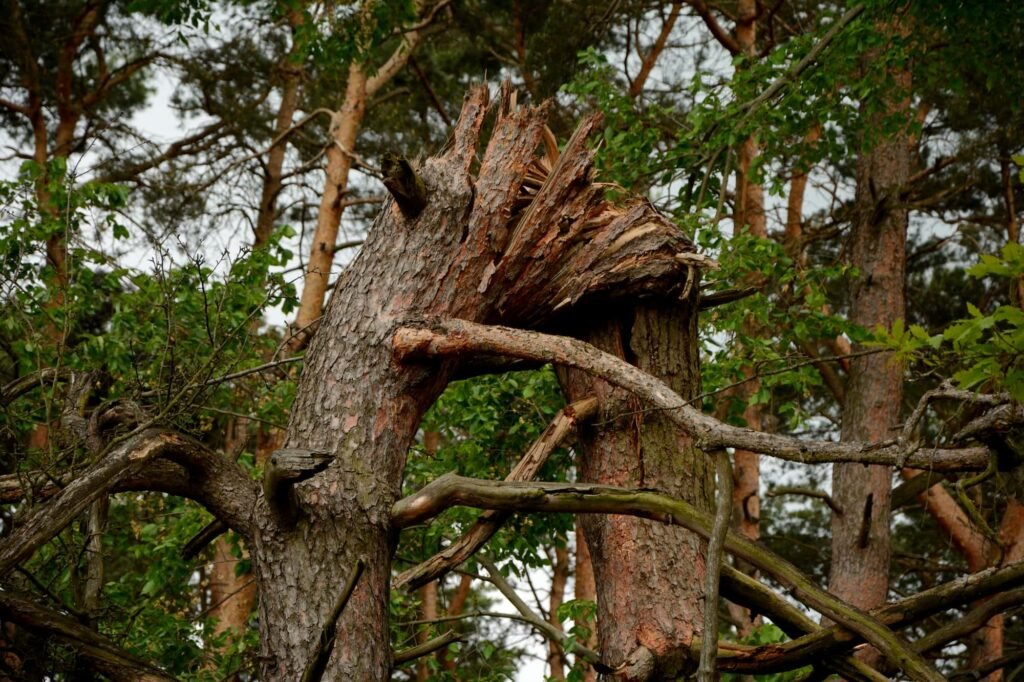
High winds and saturated soil can expose weaknesses that may not be obvious during the summer months.
Trees with structural defects or dead branches are more likely to experience:
- Broken limbs
- Split trunks
- Uprooting
- Property damage
- Utility line interference
- Blocked driveways
- Roof damage
Routine maintenance before storm season helps reduce these risks while improving overall tree health.
Schedule a Professional Tree Inspection
One of the most effective ways to prepare for severe weather is to have your trees inspected by a qualified arborist.
A professional inspection can identify:
- Dead limbs
- Weak branch unions
- Signs of decay
- Disease
- Pest infestations
- Structural defects
- Leaning trees
- Root problems
Early detection allows homeowners to address potential hazards before storms arrive.
Remove Dead or Hazardous Branches
Dead branches are among the first parts of a tree to fail during high winds.
Professional pruning removes:
- Dead limbs
- Broken branches
- Diseased wood
- Hanging limbs
- Weakly attached branches
Removing hazardous branches helps reduce the chance of damage to homes, vehicles, fences, and neighboring properties.
Prune for Better Structure
Proper structural pruning improves a tree’s ability to withstand strong winds.
An arborist may recommend pruning to:
- Reduce wind resistance
- Improve branch spacing
- Remove crossing branches
- Eliminate competing leaders
- Balance the tree’s canopy
Professional pruning encourages healthier growth while maintaining the tree’s natural form.
Check for Signs of Disease or Decay
Trees affected by disease or internal decay may appear healthy on the outside while becoming structurally unstable.
Common warning signs include:
- Mushrooms growing near the base
- Hollow areas
- Cracked bark
- Large dead limbs
- Cavities
- Excessive leaning
- Peeling bark
Prompt treatment-or removal when necessary-can help prevent failures during storms.
Inspect the Root Zone
Healthy roots are essential for tree stability.
Avoid:
- Soil compaction
- Excessive excavation
- Root damage during landscaping
- Poor drainage around the base of the tree
A healthy root system allows trees to better withstand saturated soils and high winds.
Remove Trees That Pose a Safety Risk
Some trees become too hazardous to preserve.
Tree removal may be recommended when a tree:
- Is dead
- Has severe structural decay
- Leans excessively
- Has extensive storm damage
- Poses a risk to nearby structures
- Has major root failure
Removing hazardous trees before storm season is often safer and less expensive than dealing with emergency damage afterward.
Protect Young Trees
Newly planted trees can be especially vulnerable during severe weather.
Homeowners should:
- Water appropriately before extended dry periods
- Apply mulch around the base
- Remove damaged branches
- Stake trees only when necessary
- Inspect support systems regularly
Proper establishment helps young trees develop stronger root systems over time.
Don't Wait Until After the Storm
Many homeowners delay tree maintenance until damage has already occurred.
Scheduling preventive tree care before storm season offers several advantages:
- Greater appointment availability
- Reduced emergency risk
- Lower likelihood of property damage
- Improved tree health
- Safer working conditions
Preventive maintenance is often more affordable than emergency tree removal and storm cleanup.
Why Milwaukie Homeowners Should Prepare Early
Milwaukie’s mature neighborhoods are known for their large Douglas firs, maples, cedars, and ornamental trees. While these trees provide shade and enhance property value, they can also become hazards during periods of heavy rain and strong winds if they are not properly maintained.
Regular inspections and professional pruning help ensure your trees remain healthy while reducing the likelihood of storm-related failures.
Why Hire a Certified Arborist?
Tree care involves much more than simply cutting branches.
A professional arborist understands:
- Tree biology
- Proper pruning techniques
- Structural defects
- Disease identification
- Risk assessment
- Safe tree removal practices
Working with experienced professionals helps preserve healthy trees while identifying those that may require additional attention before severe weather arrives.
Professional Tree Services in Milwaukie, OR
Preparing your trees before Oregon’s storm season is one of the best investments you can make in your property’s safety. Routine inspections, professional pruning, and hazard assessments help reduce the risk of falling limbs, storm damage, and emergency tree removal while promoting healthier, longer-lasting trees.
At PDX Tree Service, we proudly provide expert tree care services throughout Milwaukie, OR, as well as Happy Valley, Oak Grove, Gladstone, Oregon City, Lake Oswego, Portland, Gresham, and surrounding communities. Our experienced arborists offer tree inspections, pruning, hazardous tree removal, storm preparation, and emergency tree services designed to protect your home and landscape throughout every season.
Whether you need preventive pruning or a professional evaluation of a potentially hazardous tree, our team is here to help.
Contact PDX Tree Service today to schedule a tree inspection and prepare your property for Oregon’s next storm season.
Frequently Asked Questions
Q1. Why should I prepare my trees before Oregon's storm season?
Preparing your trees before storms helps reduce the risk of falling branches, property damage, and emergency tree removal. Regular maintenance also keeps your trees healthier and stronger.
Q2. How can I tell if a tree is hazardous?
Signs of a hazardous tree include dead branches, cracks, leaning, decay, or damaged roots. A professional inspection can identify problems that may not be visible.
Q3. What tree maintenance should be done before storm season?
Schedule a tree inspection, remove dead or weak branches, and prune for better structure. This helps trees withstand heavy winds and rain.